Which Camera Is Better For You?
Over the years, I’ve owned, used, and reviewed a wide range of cameras, and yes, I’ll openly admit that I suffer from a severe case of GAS, Gear Acquisition Syndrome. Like many photographers, I’ve spent countless hours looking at specifications, comparing weight, exploring lens lineups, obsessing over ergonomics, and ultimately asking myself one simple question: is this camera fun to use? Because beyond the megapixels, autofocus systems, and dynamic range charts, there’s something far more important about a camera, and that’s whether it makes you want to go out and create.
I haven’t used every camera brand on the market, but I’ve used enough to develop a strong understanding of what works for me and, just as importantly, what doesn’t. Some systems fit naturally into my workflow, both out in the field and later during the editing process, while others never quite felt like an extension of the way I see and create images. For me, photography doesn’t end when the shutter is pressed, editing is deeply connected to the experience of capturing the image itself. It’s an attempt to breathe life back into what is ultimately a flat, two-dimensional file and recreate the depth, atmosphere, and emotion of the moment you experienced in person.
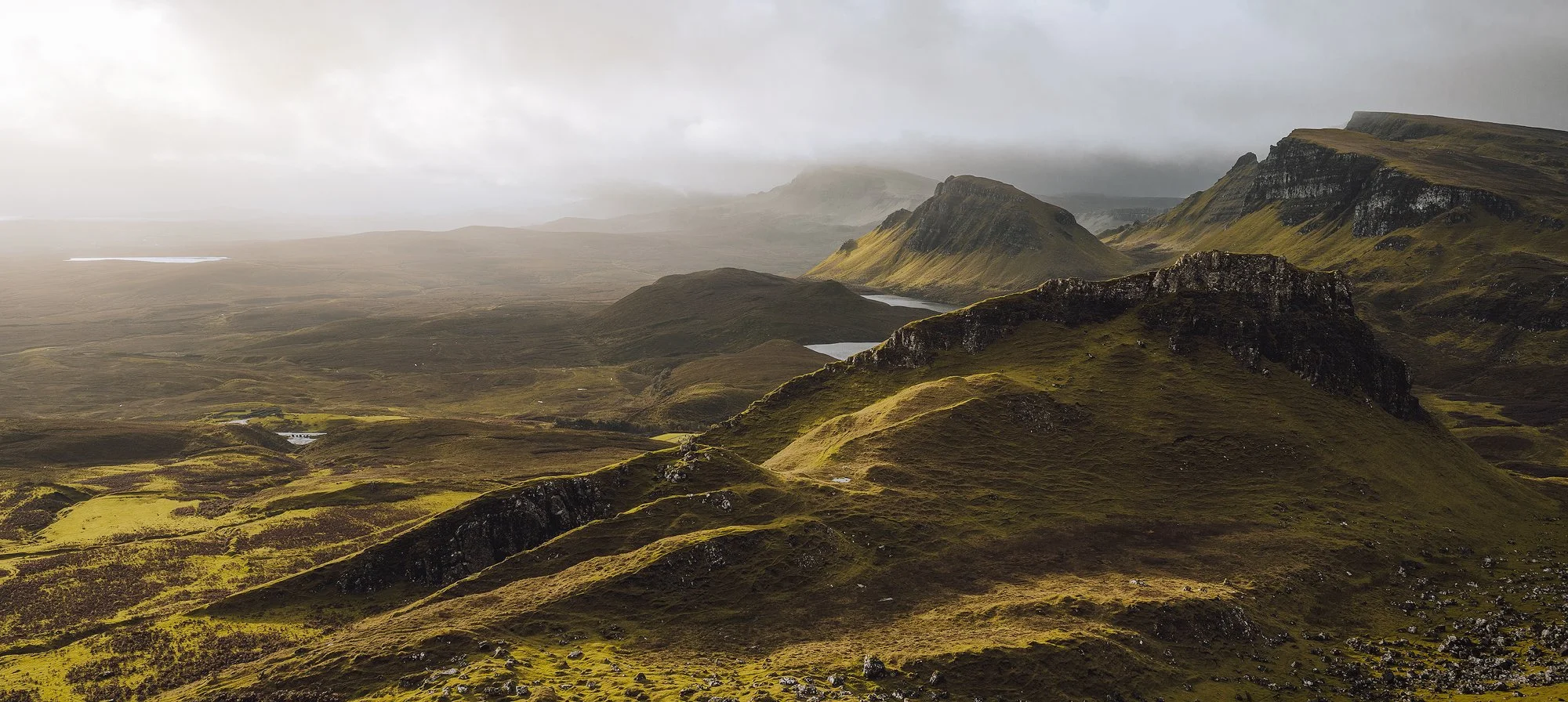
At the moment, my main camera is the Sony A7R V, a camera I originally bought because of the incredible level of detail it can render. From a purely technical standpoint, it’s difficult to fault. The files are rich with detail, the dynamic range is exceptional, and when everything comes together, it produces images with an almost clinical level of precision. For landscape photography especially, it’s an immensely capable tool. Yet despite all of that, I’ve found myself feeling slightly disconnected from it creatively. The ergonomics, while improved over previous Sony bodies, still don’t quite suit the way I naturally like to work, and over time that disconnect has subtly pulled me away from simply wanting to pick the camera up and take photographs.
That probably sounds strange to non-photographers. After all, surely image quality is the most important thing? But photography is rarely that simple. A camera can be technically brilliant and still not inspire you in the way another system might. That’s where my long-standing love for Fujifilm comes into the conversation. Over the years I’ve owned every camera in the X-T line, along with the Fujifilm GFX100S, which remains one of the most memorable cameras I’ve ever used. Unfortunately, I eventually had to part ways with it, and largely because of the cost of building a lens system around medium format. Realistically I already knew that going in, but after Fujifilm kindly loaned me the camera and several lenses for a month, I was completely smitten. There was something about the files that felt different not necessarily better in every measurable way, but richer somehow, with a depth and tonal quality that made the editing process feel almost immersive.
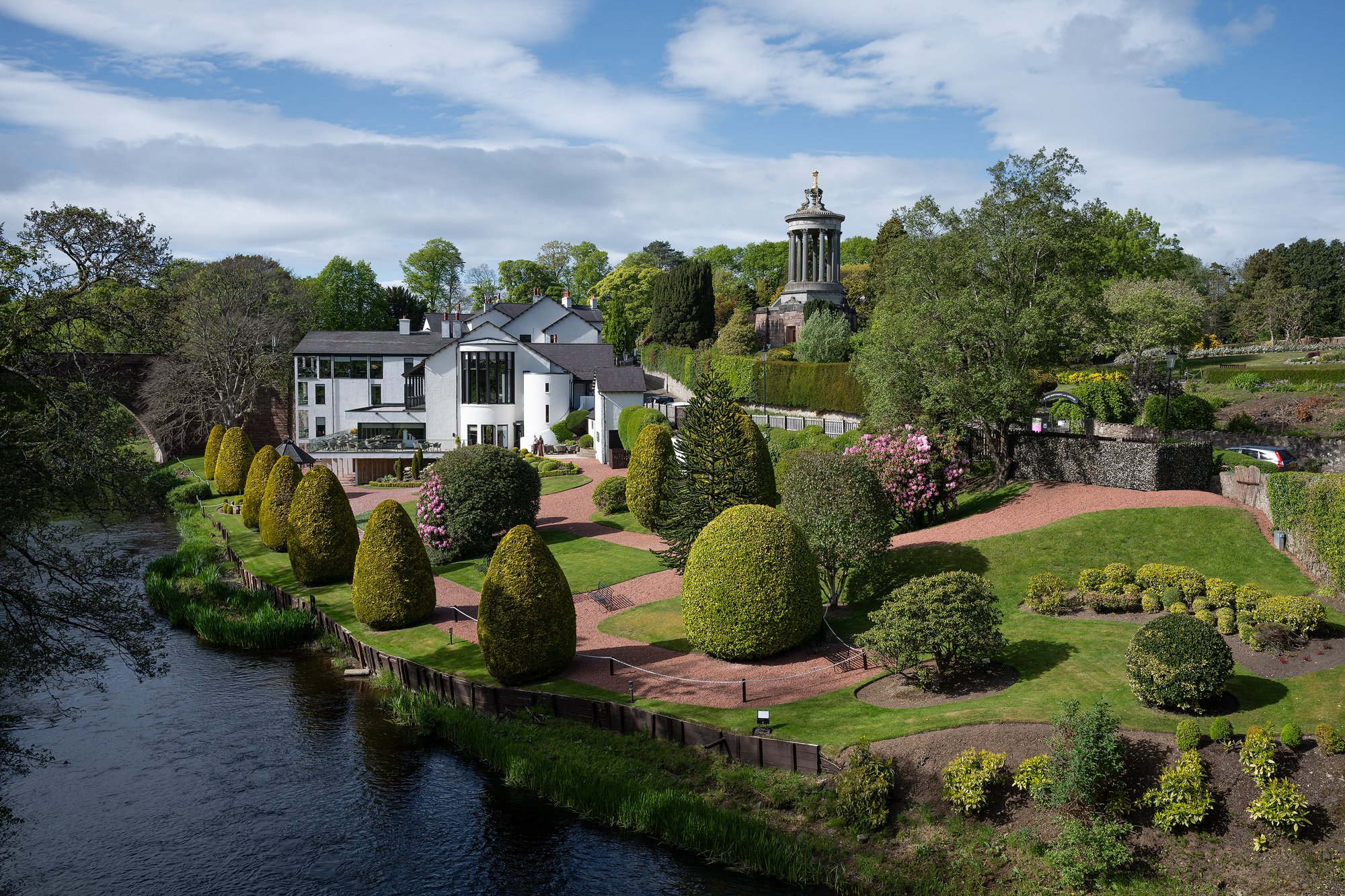
Recently, my partner purchased the Nikon Z8, primarily for landscape photography, and after using it on a few occasions myself, I can completely understand why it has developed such a strong reputation. It’s an exceptional all-round camera that feels incredibly refined in almost every area. On paper, it may not have the sheer megapixel count of the Sony A7R V, but in real-world use, that difference quickly becomes less important than many online discussions would lead you to believe. The files coming out of the Z8 are stunning, packed with detail, beautiful colour, and a depth that already feels polished even before any editing takes place.
This blog isn’t really about specifications at all. You can find endless charts, autofocus comparisons, dynamic range tests, and side-by-side pixel peeping videos all over the internet. Those things certainly matter to a degree, but they rarely answer the bigger question photographers quietly ask themselves when using a camera: does this camera make me want to create? That’s the aspect I’m far more interested in exploring here.
So rather than comparing the Sony and Nikon from a technical standpoint, I want to talk about them from a much more personal perspective: the idea of connection. How a camera feels in the hand, how naturally it disappears during use, and whether it encourages you to slow down and engage with the scene in front of you. And I should emphasise that these thoughts come from limited time with the Z8 so far. I’m not claiming years of experience with the system, only first impressions and the immediate reaction I had when actually using it in the field, literally in a field.
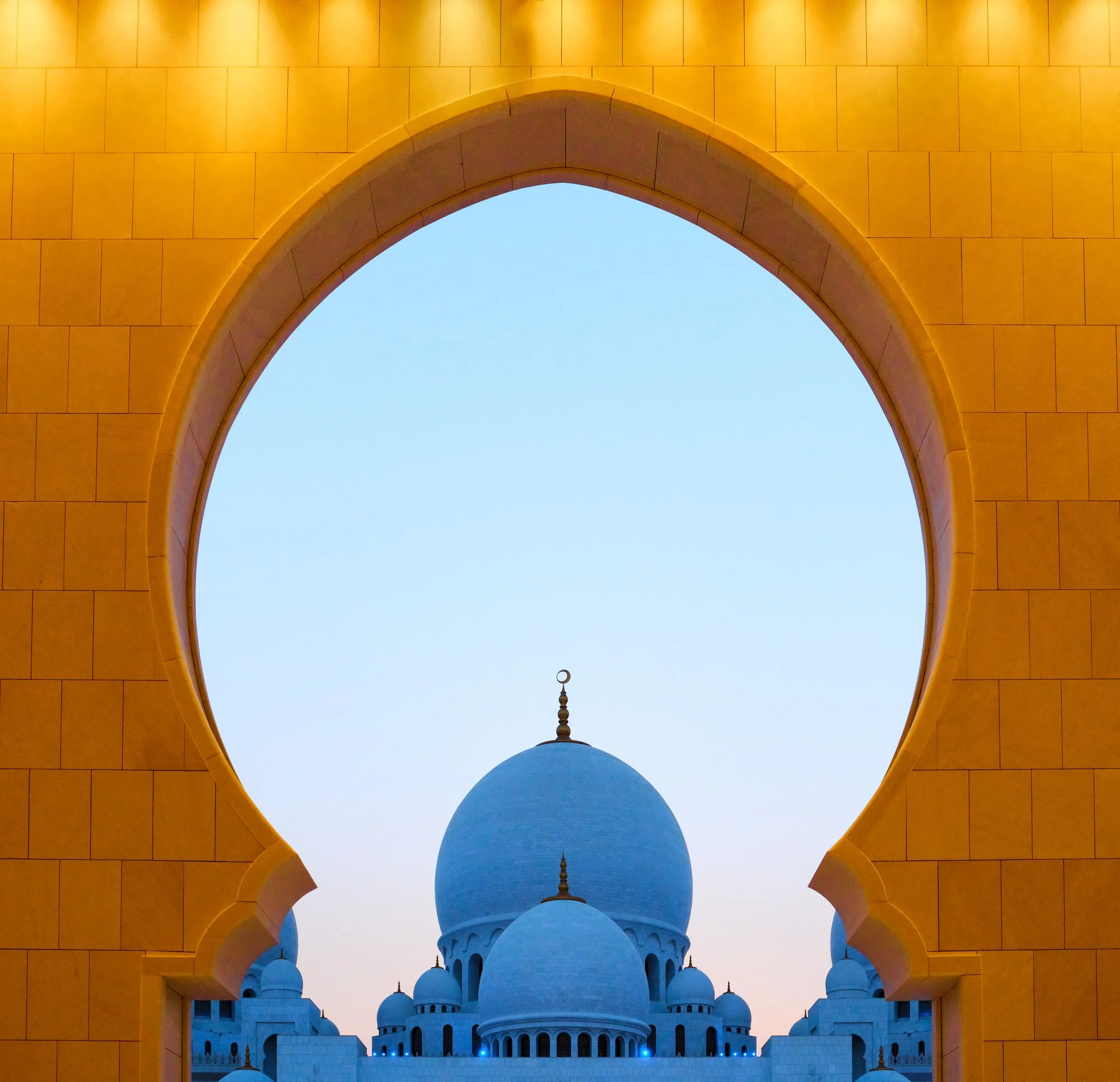
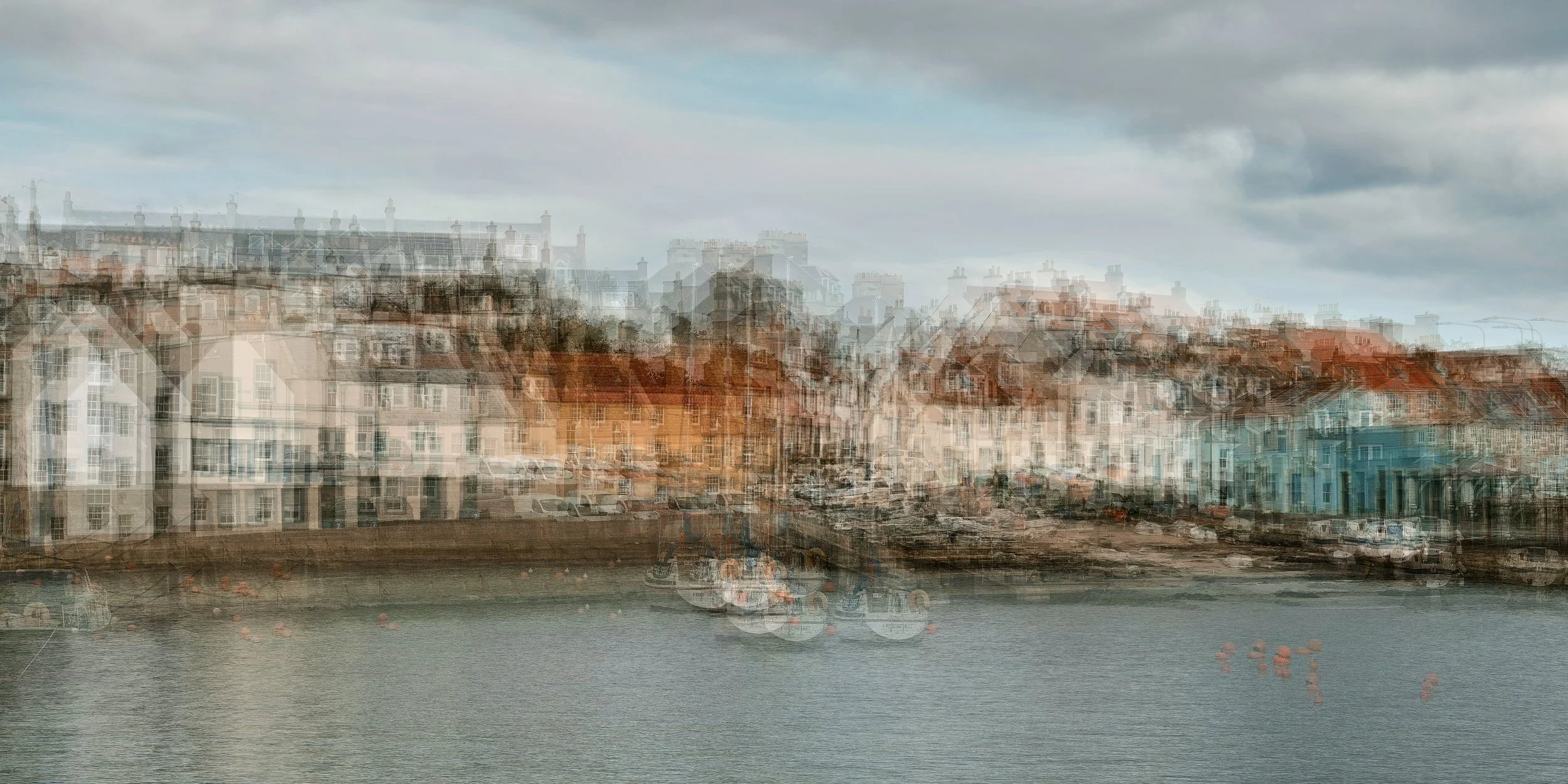
So let’s start with the Sony A7R V. This is, without question, one of the most technically capable cameras I’ve ever used. The level of detail it captures is remarkable, and the amount of customisation available means you can tailor almost every aspect of the camera to suit your own shooting style and preferences. It’s a camera often associated with landscape and studio photographers, and honestly, that makes perfect sense. The A7R V simply delivers the results you expect from it and does so with incredible consistency. At times, almost too well. It’s so precise and so dependable that the process can occasionally feel less emotional and more clinical.
That’s not a criticism, because the resulting files are exceptional. The dynamic range is superb, the sharpness is outstanding, and there’s an enormous amount of flexibility when editing. My only hesitation has always been the colour rendering. It’s not that the colours are bad, far from it, but they don’t naturally align with the look I personally gravitate towards. Of course, colour can be adjusted in post-processing, and as photographers, we all know how powerful modern editing software has become. But that also raises an important question: do I want to fix it later, or do I want to feel connected to the image from the moment I capture it?
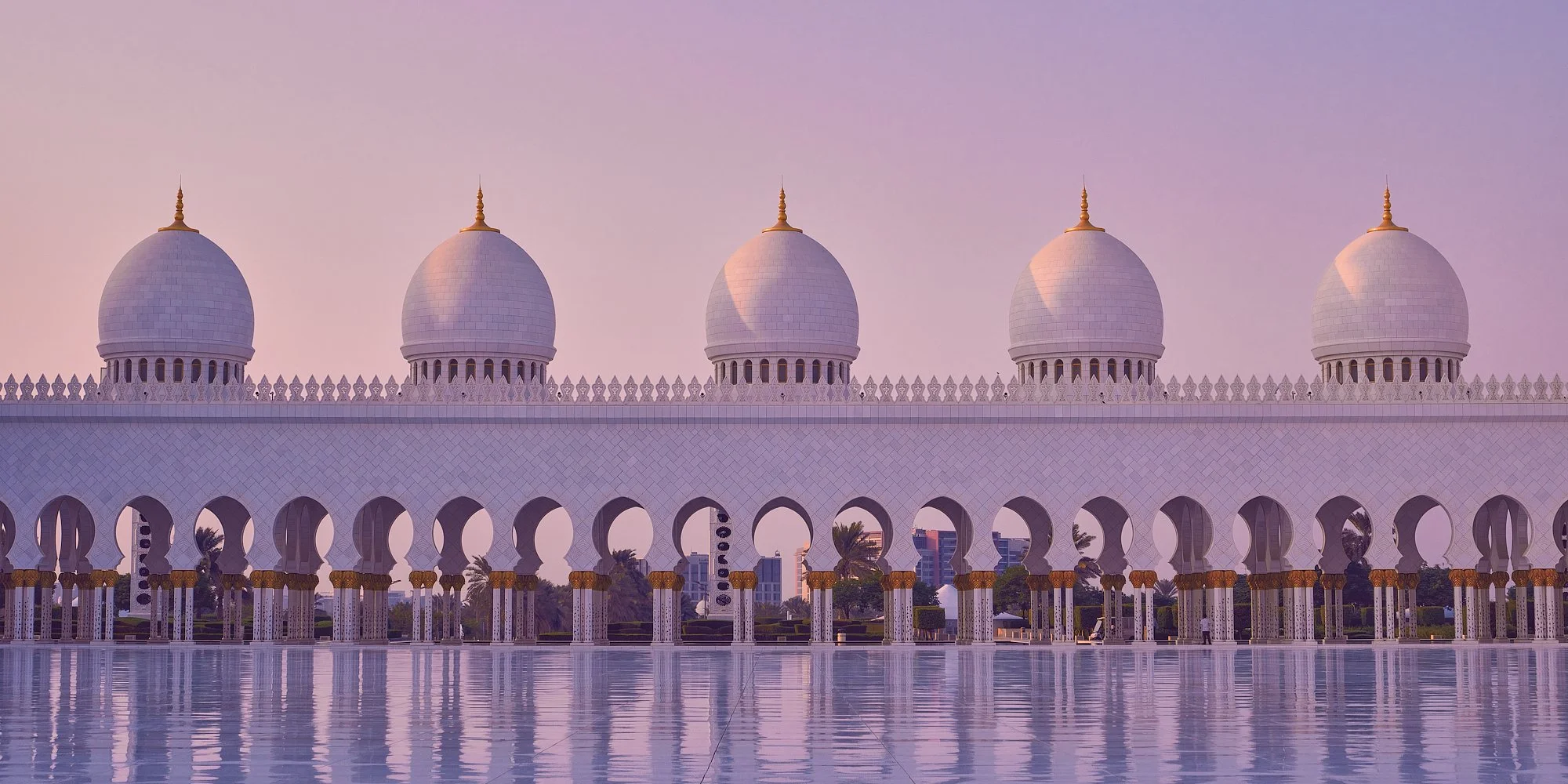
Then there’s the Nikon Z8. It’s physically larger, has fewer megapixels, and visually, I’d argue the dynamic range sits in very similar territory to the Sony. Yet the overall rendering of the images feels different to me. The colours straight out of the camera are beautiful, and the files have a richness that immediately stood out during editing. To be clear, both cameras produce stunning images. This isn’t about one being objectively superior to the other. In fact, when looking purely at the final photographs, the differences between them become surprisingly negligible.
I think part of my reaction to the Z8 comes from my history with Nikon D850. I owned that camera from the day it launched until eventually moving over to the Nikon Z7 II, and the D850 remains one of the few cameras I genuinely felt connected to creatively. It was also the first brand-new camera I ever purchased, which probably adds a layer of nostalgia to the experience. There was something about using it that simply made photography enjoyable. It encouraged me to go out and shoot.
And that, for me, is where the real comparison between the Sony and Nikon exists. On paper, the differences are measurable but relatively small. In actual use, the comparison becomes entirely emotiona, for myself anyway. Do I want to pick the camera up and head out with it? Does it inspire creativity? Is there anything about using it that quietly pulls me away from enjoying the process of photographing? The A7R V is an absolute beast of a camera and performs exceptionally well in almost every situation imaginable. But despite respecting it enormously, I don’t personally feel a strong connection to it. It completes the task in hand with incredible efficiency, yet rarely goes beyond that feeling.
The Z8, however, immediately reminded me of the experience I had with the D850. Not quite the same connection I feel with Fujifilm cameras, which still hold a very unique place creatively for me, but close enough to spark that familiar excitement again, the feeling of wanting to create simply because the camera in your hands makes the process enjoyable.
So what’s the point of all this? Why spend so much time thinking about cameras when, realistically, most modern systems are already exceptionally capable? For me, the answer comes down to two things.
First, as photographers, we do need a camera system that fulfils our practical requirements. Specifications matter. Lens ecosystems matter. Ergonomics matter. Even the editing process matters because, at least in my view, editing is an extension of the moment the image was captured. It’s part of the creative experience rather than simply a corrective process. The right camera system should support the entire workflow, from standing in the landscape with a camera in hand to sitting in front of the computer shaping the final image. But all of that is deeply personal. What works perfectly for one photographer might feel completely wrong for another, and that’s something the internet often forgets in its endless pursuit of the latest “best” camera.
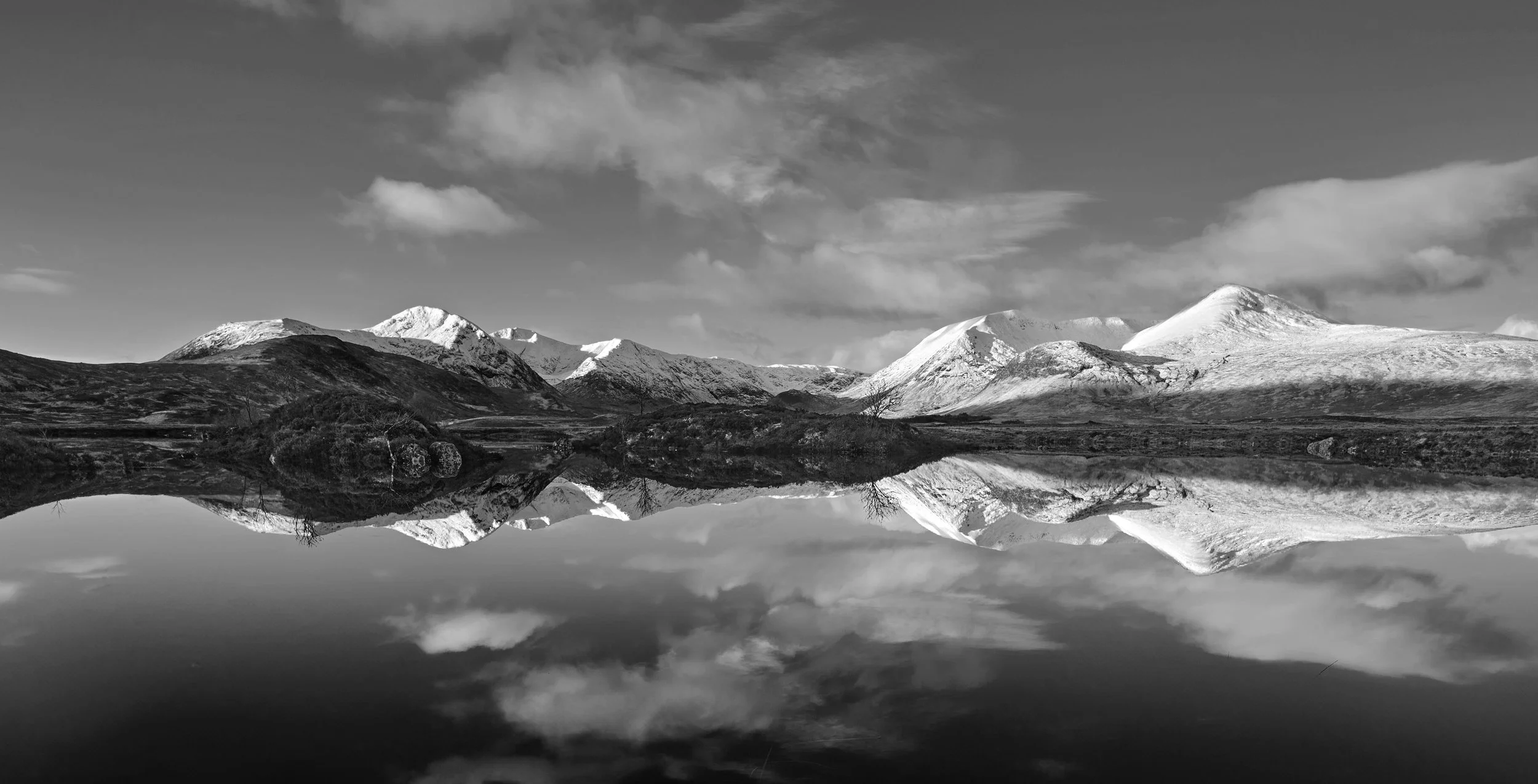
A good example of this for me was the Fujifilm X-T4. When it was released, I bought it immediately. I already knew and loved the X-T series ergonomics, the tactile controls, and the overall shooting experience. Yet despite all of that familiarity, the fully articulating 360-degree screen honestly drove me slightly mad. For many photographers, it was probably a fantastic addition, especially for video work, but for the way I personally shoot, it constantly interrupted the flow of using the camera. Was it a small issue? Absolutely. Could I have adapted to it? Of course. But that tiny frustration was always sitting quietly in the back of my mind every time I used the camera, subtly affecting the overall experience.
And that leads to the second point: Connection. Do you actually connect with your camera, or is it simply a tool that performs a task efficiently? There’s no such thing as a perfect camera, but there is such a thing as a camera that feels right for you. A camera that encourages creativity rather than getting in the way of it. One that makes you want to pick it up and head out the door, even when the weather is terrible or you have no clear idea what you’re planning to photograph. Because ultimately, the best camera for your workflow isn’t always the one with the highest specifications or the newest features. Sometimes it’s simply the one that makes photography enjoyable.

I’ll end this on a personal note regarding the Sony A7R V, the Nikon Z8, and of course Fujifilm. The Sony is a fantastic camera. There’s absolutely no denying that. It’s incredibly capable, technically outstanding, and produces files with enormous flexibility and detail. The Nikon is equally fantastic in its own way, and after spending time with it, I’ve found myself in an interesting position creatively. Despite how good the Sony is, I simply don’t feel the same desire to go out and shoot with it as I do with the Z8, and the strange part is that the Z8 isn’t even mine.
So naturally, that raises the question of whether the Sony will eventually be sold to MPB, Wex Photo Video, or Park Cameras to help fund a switch. We’ll see. Is that just GAS talking? Honestly, I’m not entirely sure. But I’ve owned the Sony for quite a while now, and those small disconnects I mentioned earlier have always remained in the background. They never fully disappeared.

If Fujifilm suddenly released a full-frame camera tomorrow, I’d probably be first in line to try it. Not because I think full frame is inherently “better,” but because I genuinely enjoy the editing experience that comes from full-frame files. At the same time, I absolutely love the Fujifilm X-T5. The 40-megapixel sensor is superb, the ergonomics are exactly what I enjoy in a camera, and creatively, it remains one of the most inspiring systems I’ve used. Yet I’ve also found that, in certain situations, the shadows could become slightly messy for my personal editing style, even when using exposure bracketing. And it’s those small details that begin to matter more and more.
So now I find myself in that familiar photographer’s dilemma once again. Do I simply re-evaluate my workflow and stick with the Sony, or return to another X-T5 because it’s the system I emotionally connect with the most? Or do I move toward the Z8, which, in many ways, feels like the closest thing to a full-frame Fujifilm experience that I’ve personally used, not just in image quality, but in ergonomics, usability, and most importantly, that creative desire to actually go out and photograph.
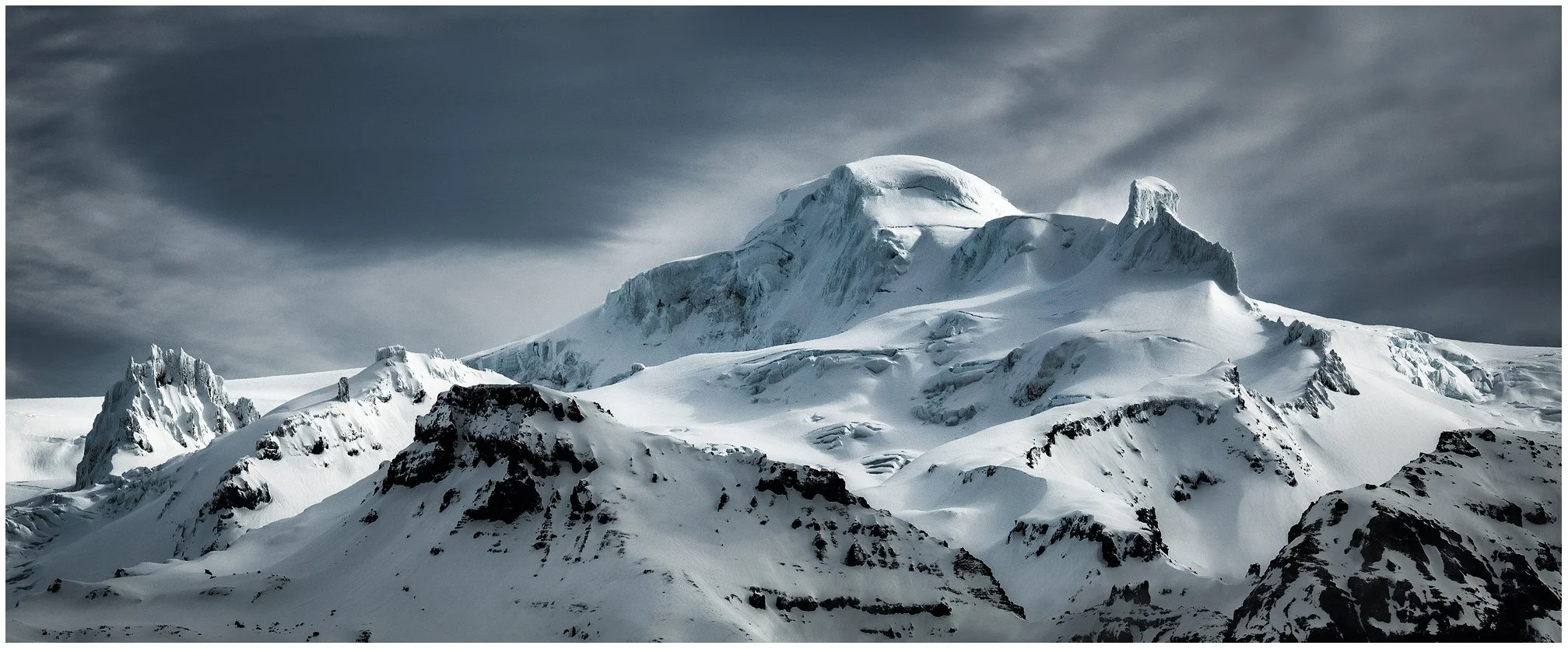
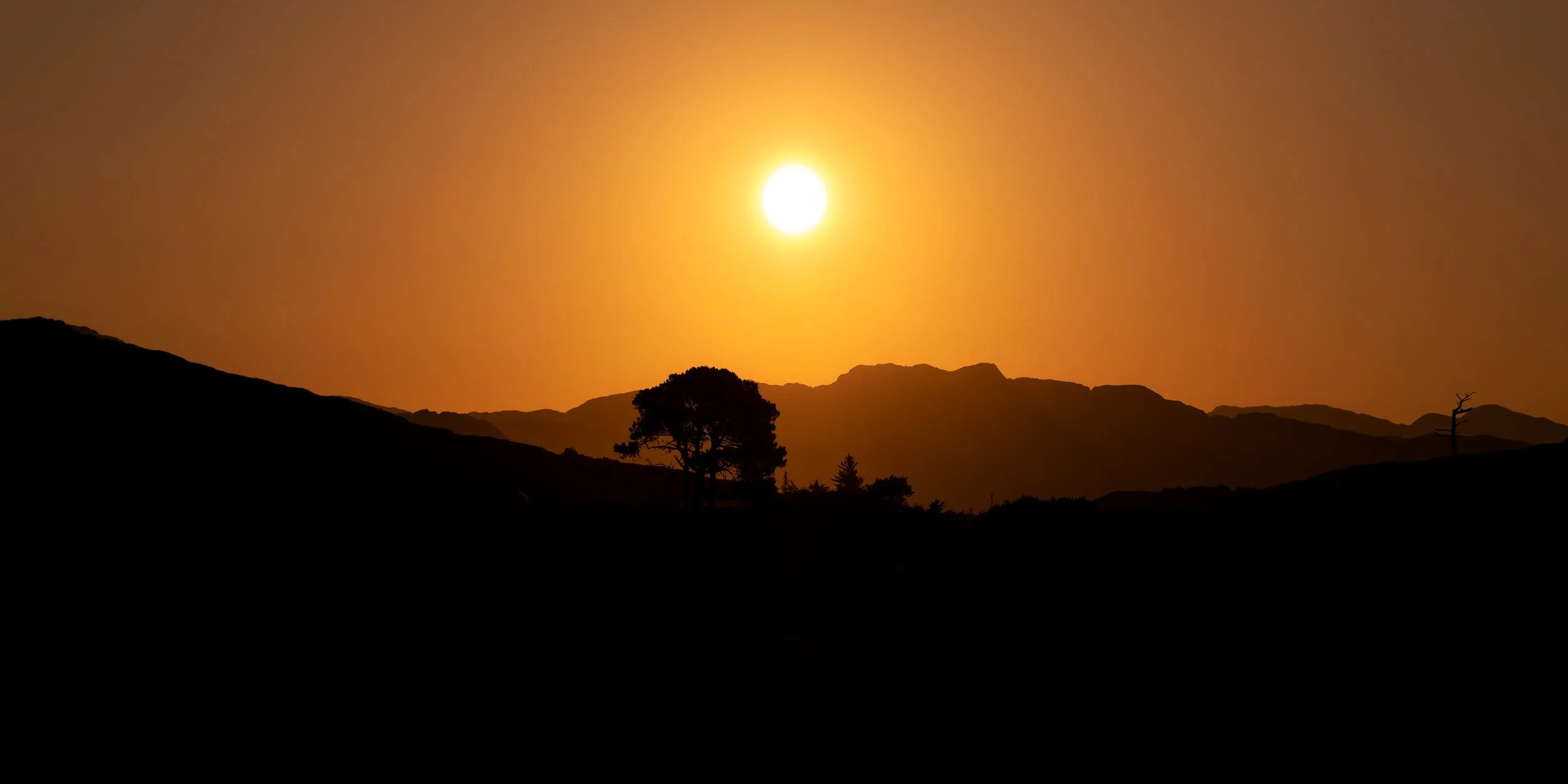
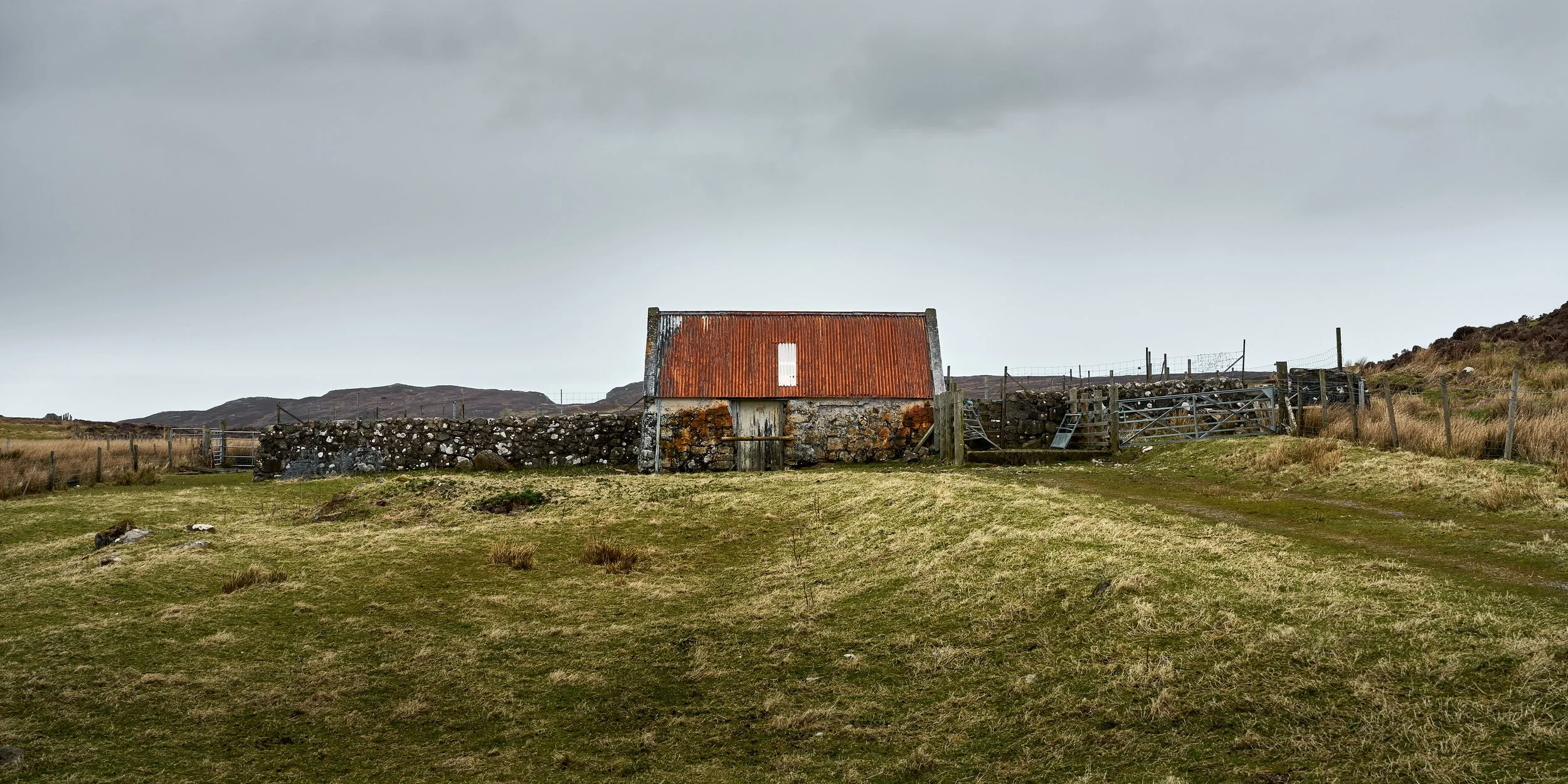
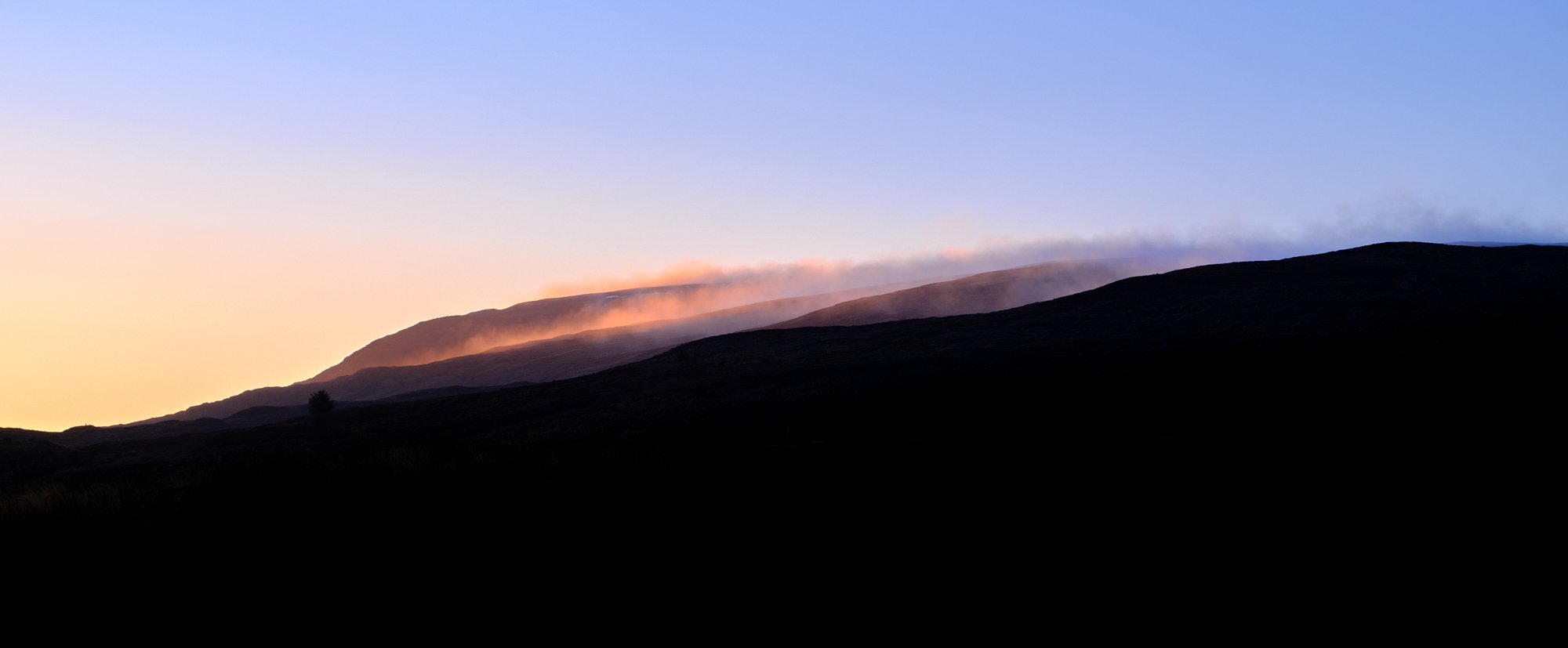
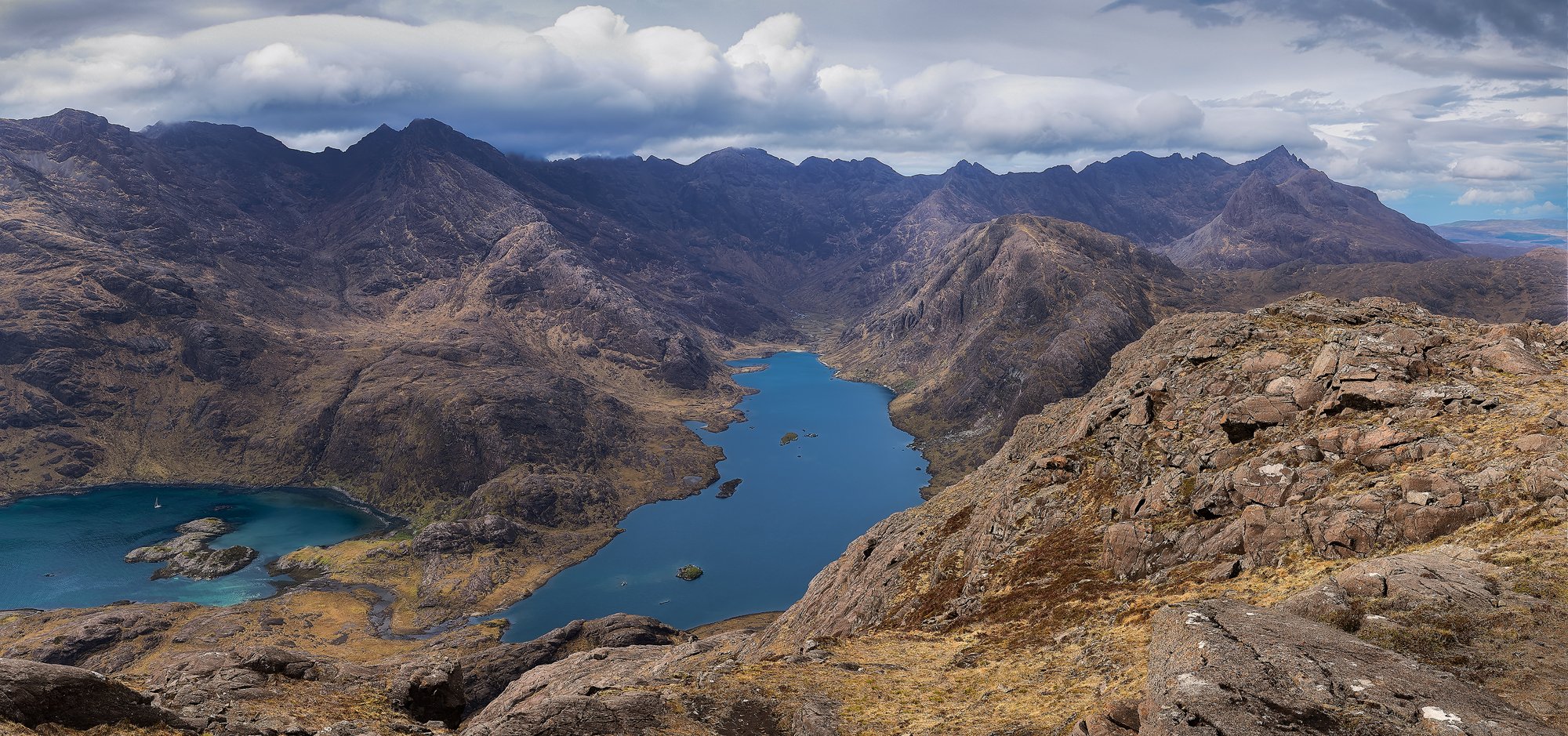
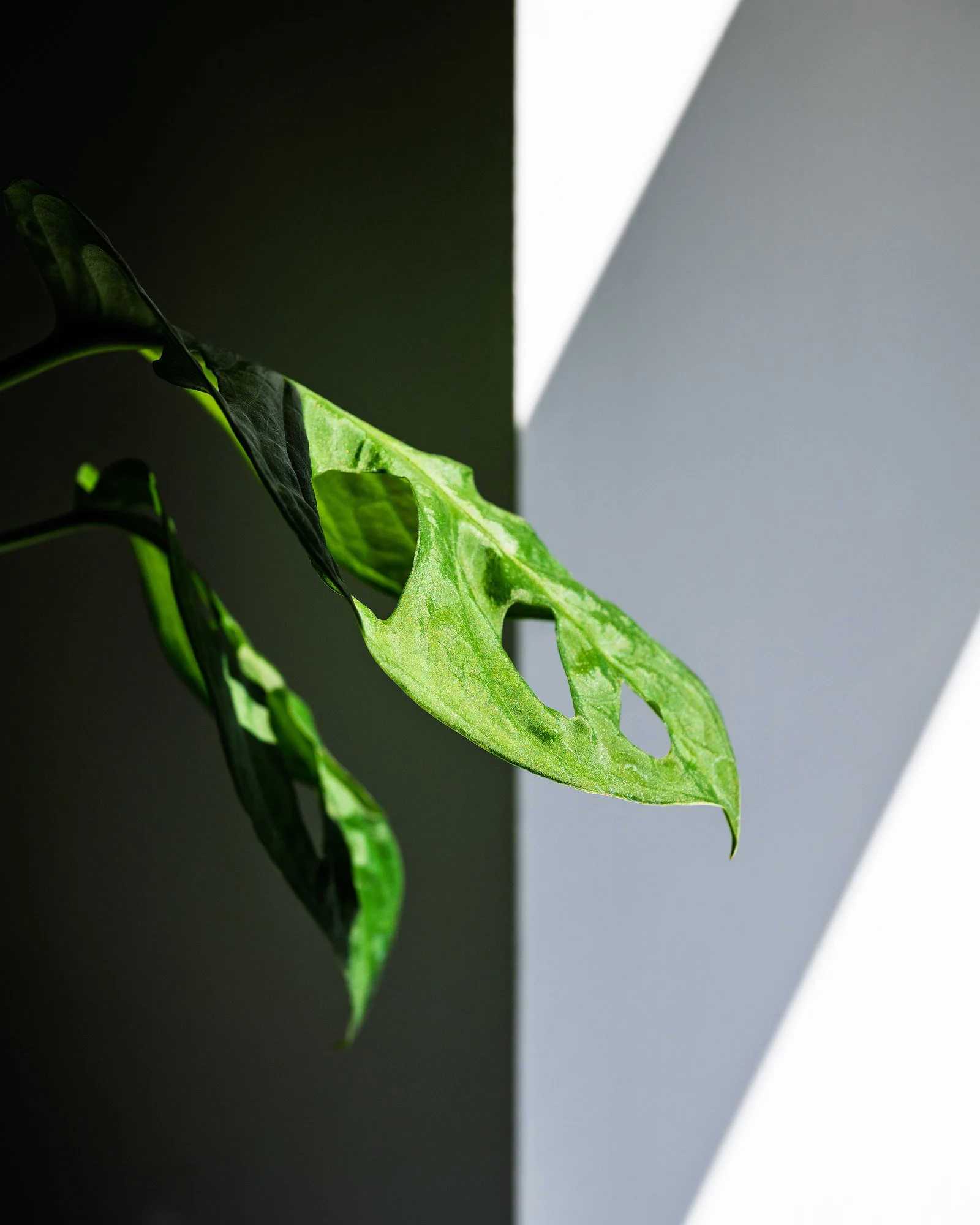
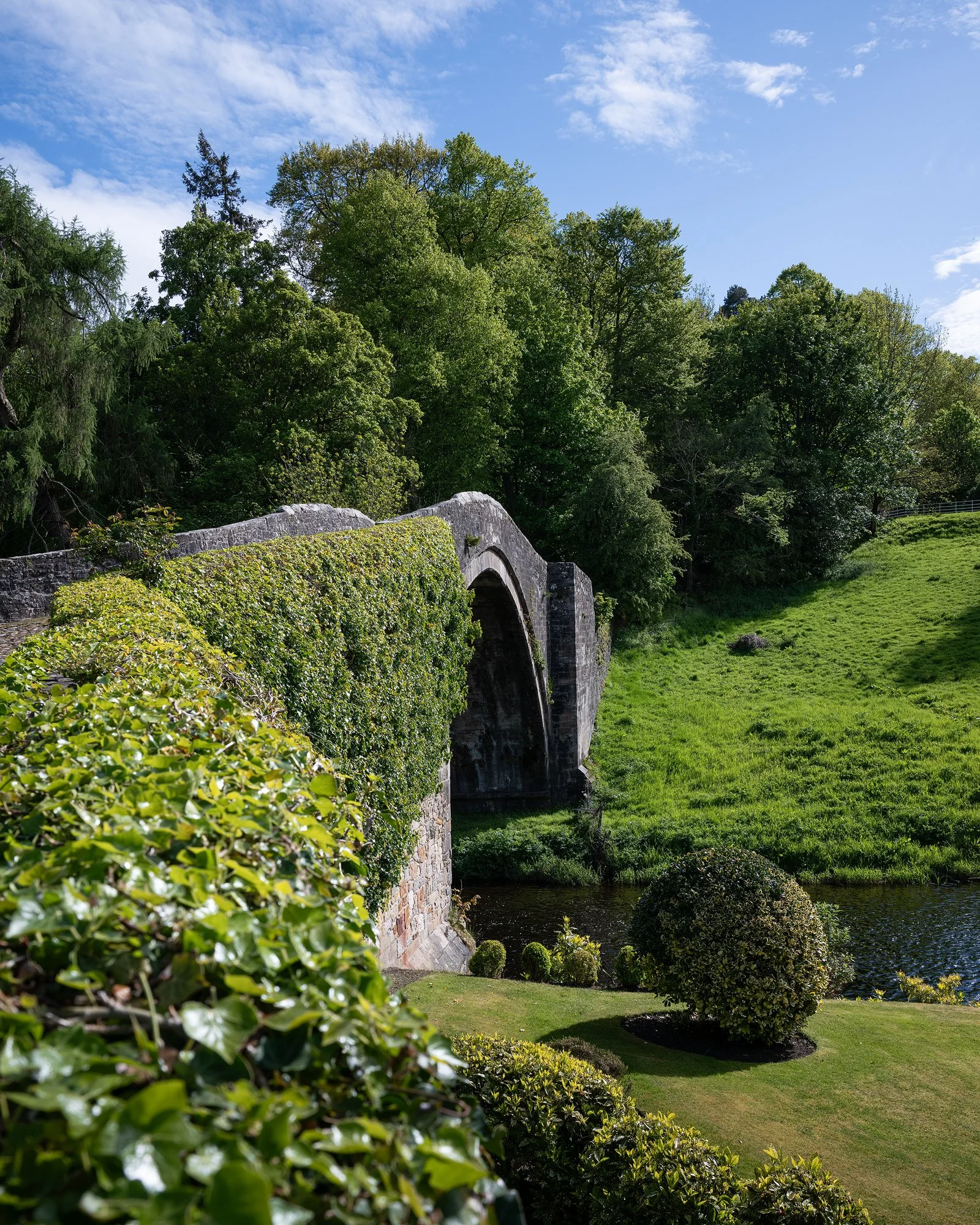
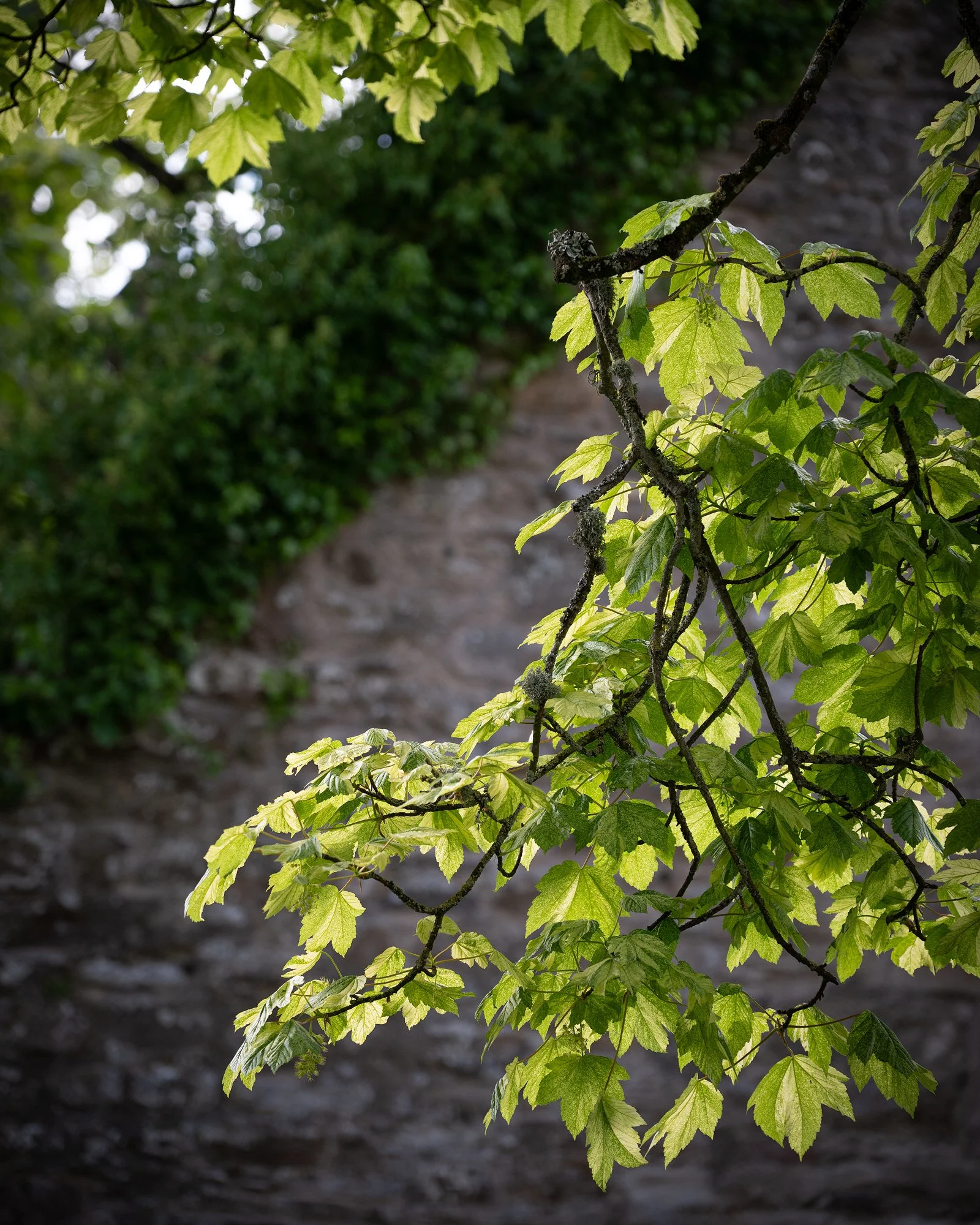
Incidentally, all the images in this blog are resized to 2000px long edge, and there is a mix of images here from Nikon, Sony, Fujifilm X-T5, FujiFilm GFX100s,and Leica, but can you actually tell the difference when they are simply posted online? Even when printed, although not too large, would you be able to tell which camera captured which image? That’s also a point to consider. Does it matter which camera was used if the image retains what you saw at the moment of capture? I know we don’t look at a photograph and say, ‘Oh, I wonder what camera this was taken with?’ We appreciate the image in itself.
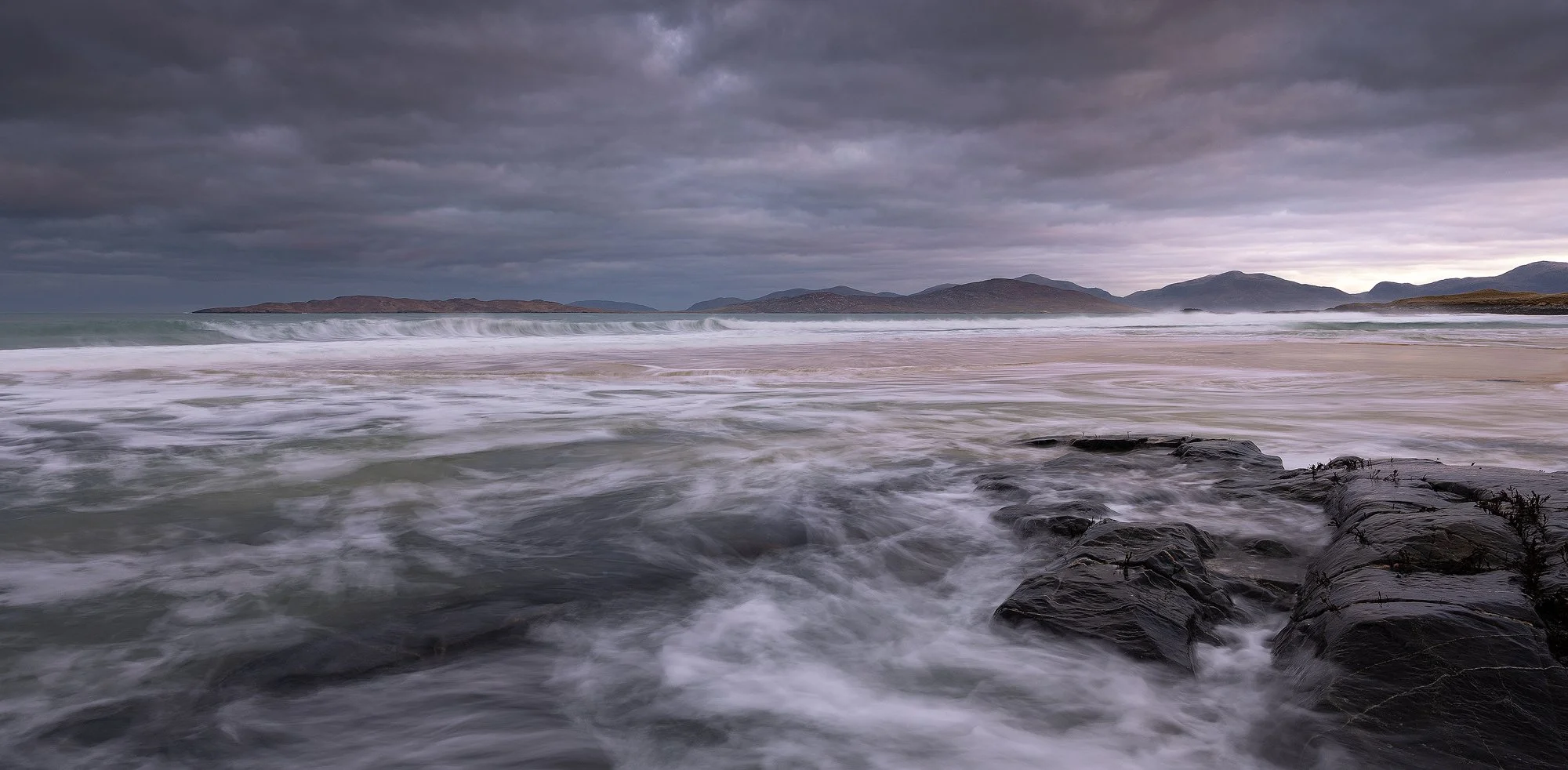
You’ll have noticed I’ve (almost) omitted mentioning Leica in this blog. I’ve fortunately had the opportunity to review 3 of their cameras. It’s another fantastic system, and I’m a massive fan of the SL3-S, which they kindly loaned to me for a 5-day shoot in Harris. That camera was absolutely stunning. I had both the Sony A7Rv and the SL3 with me, yet I only used the Sony for a few shots, as once again I was drawn to the creative connection I had with the SL3-S. Unfortunately for me, anyway, this system comes with a hefty pricetag, so I’ll simply appreciate it from afar.
What drives you in your choice of systems? Is it the megapixels? The rendered RAW files? The convenience of size? The ergonomics? The connection? Or is it something completely different? We all have our reasons for this and for the specific use of the cameras, as some are suited better for different genres. I’d love to know your reasoning and thoughts in the comments.